1. Introduction
Along with the rapid evolution of computer science and information technology, smart computing methodologies based on artificial neural networks and machine learning algorithms, have been increasingly embraced in various engineering disciplines including civil engineering. Currently, several problems in civil engineering cannot achieve optimal solutions by virtue of traditional methods, e.g., analytical methods, experimental methods, and numerical methods (finite element method, finite discrete element methods, etc.). These typical problems are: (i) estimating the ultimate axial load capacity of pile foundations, (ii) building holistic solutions for the stability analysis of geotechnical problems, e.g. tunneling construction, slopes, retaining wall structures, and shallow foundation; (iii) evaluating the residual strength of aging reinforced concrete structures considering the corrosion of reinforcement, (iv) estimating the impact of wave height on coastal structures; (v) developing a thorough optimization framework for sustainable designs of reinforced concrete structures; (vi) applying text analysis techniques for risk assessments in construction management. These smart computing approaches are promising alternatives to current engineering problems which can deliver optimal solutions for many civil engineering practices in Vietnam.
2. Mission and Vision
Our main mission is to gradually build and continuously develop a strong research group that contributes to the field of smart computing in civil engineering. Research subjects of the SCCE group are expected to accomplish the following important objectives:
- providing novelty and significant contribution to the development of the engineering discipline;
- the selected problems should be based on the requirements of current practices; and research outcomes should be potentially applicable to the industrial context.
- building a research team with high academic integrity and responsibility in research activities.
- the long-term goal is to provide a common place for scientists, engineers, and entrepreneurs to advocate technology transfer.
3. Research topics
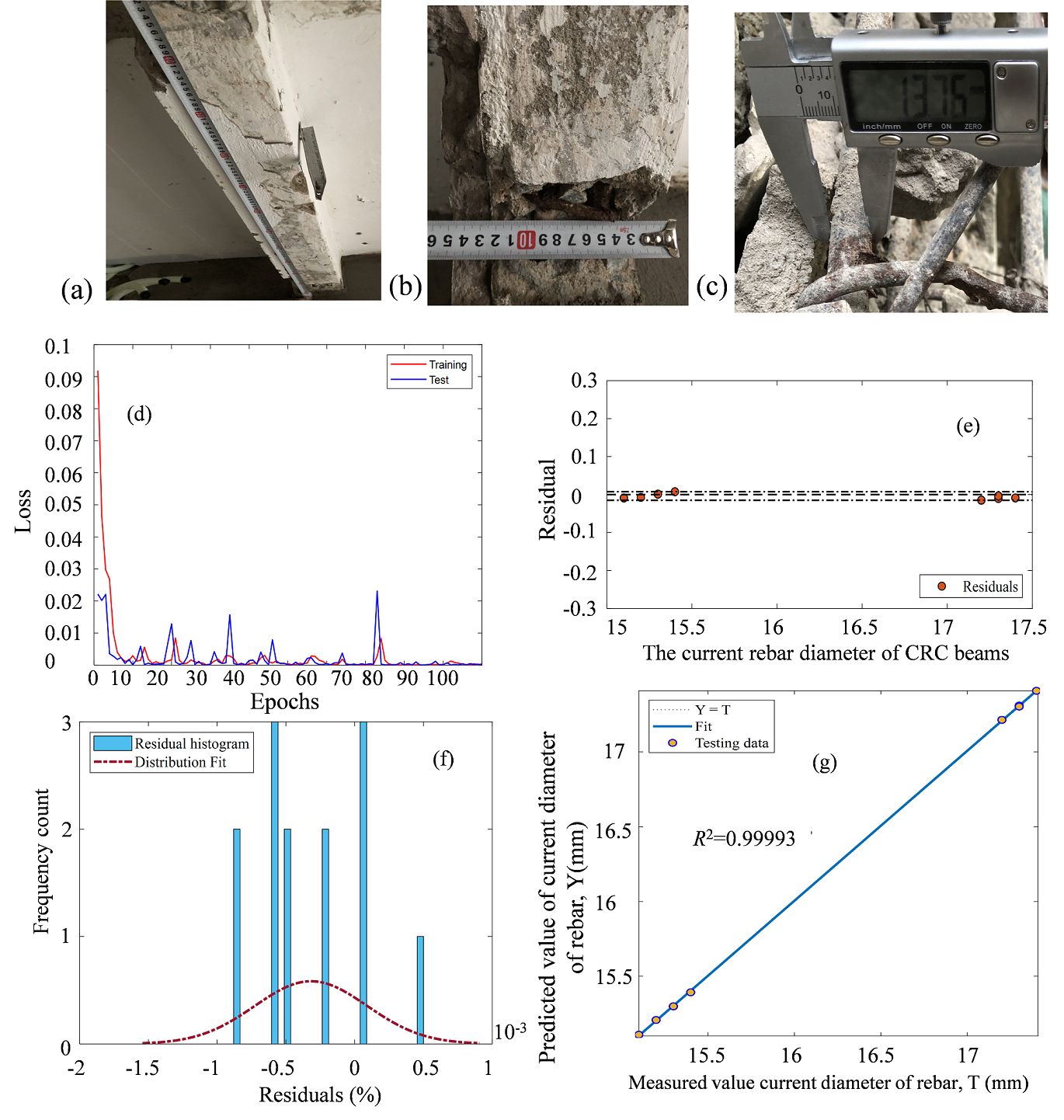

(1) Developing smart computing methods combined with field data to solve the following urgent problems: (i) load bearing capacity of the pile foundation; (ii) effect of reinforcement corrosion on the residual strength of reinforced concrete structures.
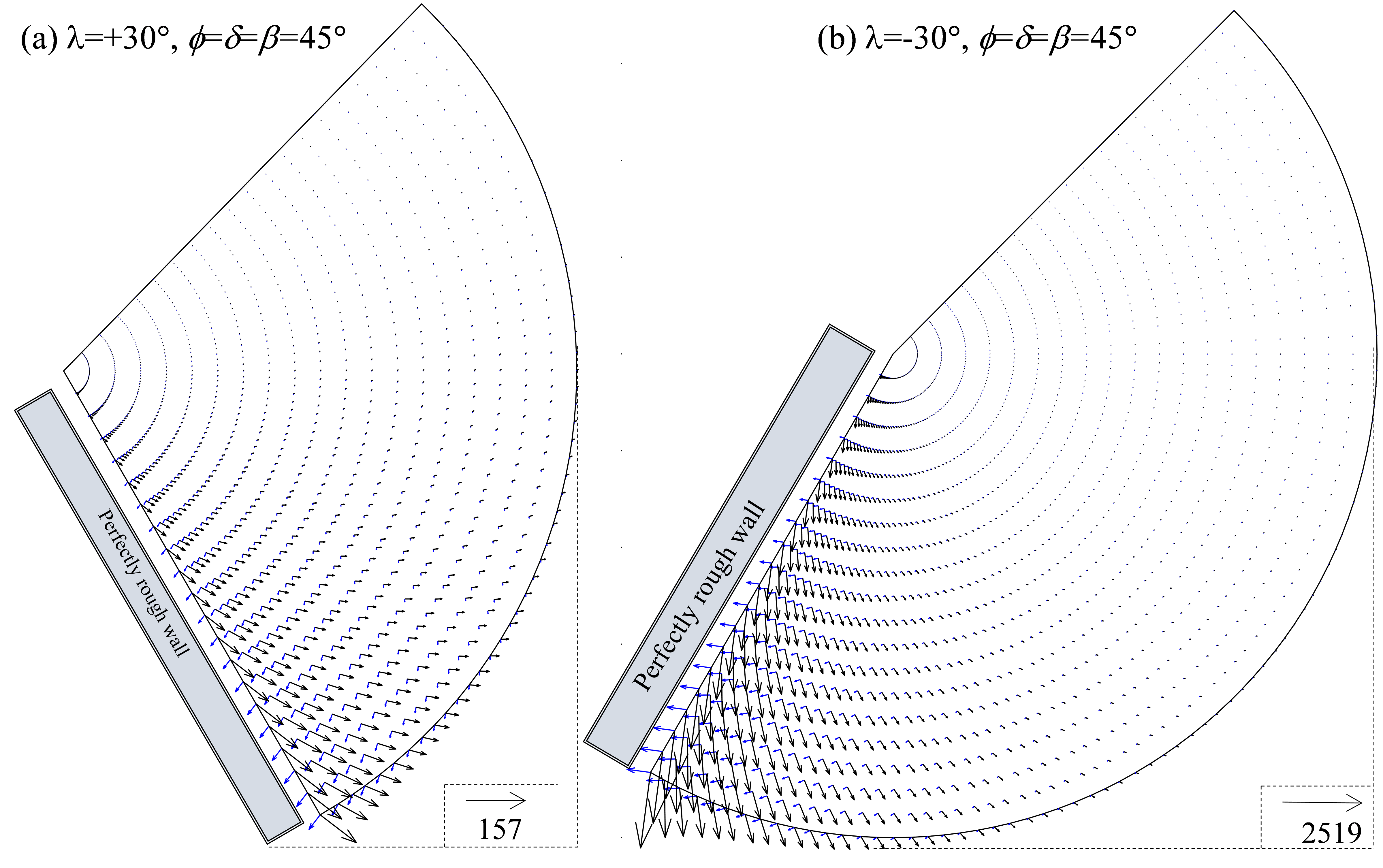
(2) Development of an integrated numerical method by combining artificial intelligence with conventional numerical methods (limit analysis, finite elements analysis) to solve wide-ranging problems in geotechnical problems (shallow foundation, deep foundation, tunnel construction stability, slope stability, etc.)
(3) Researching on and applying optimization algorithms in combination with artificial intelligence technology (machine learning and artificial neural networks) to optimize the structural weight, construction cost, and sustainability of concrete structures
(4) Development of high-precision solutions combining numerical, analytical, and artificial intelligence methods to problems in geotechnical engineering (lateral earth pressures exerting on retaining walls, effects of earthquakes on geo-structures) and in coastal engineering (estimate of river height, wave energy dissipation, etc.).
(5) Investigating and applying text analysis techniques (e.g. natural processing language) to analyze risk levels in project contracts, bidding documents, accident data records in construction, etc.
(6) Establishing models that are capable of solving coastal engineering problems related to the following: i) Breaking wave height and breaking water depth. In addition, applying the application of intelligent computation such as the artificial intelligence network (ANN) method, programming by genetic algorithm (GA), ... to predict the characteristics of breaking waves is also a direction; ii) Studying other important parameters representing a wave in the surf zone such as wave shoaling, wave run-up, wave set-up,…, iii) Studying and calculating the energy dissipation in the surf zone based on theories such as bore concept, stable energy concept, and air bubble concept, iv) Proposing a system of models to calculate wave propagation in shallow water, these computational models will be tested with actual measurement data at coasts with different natural conditions. Thereby, these models can be applied to the calculation and design of coastal structures corresponding to areas with different topographical features in the world, especially Vietnam.