
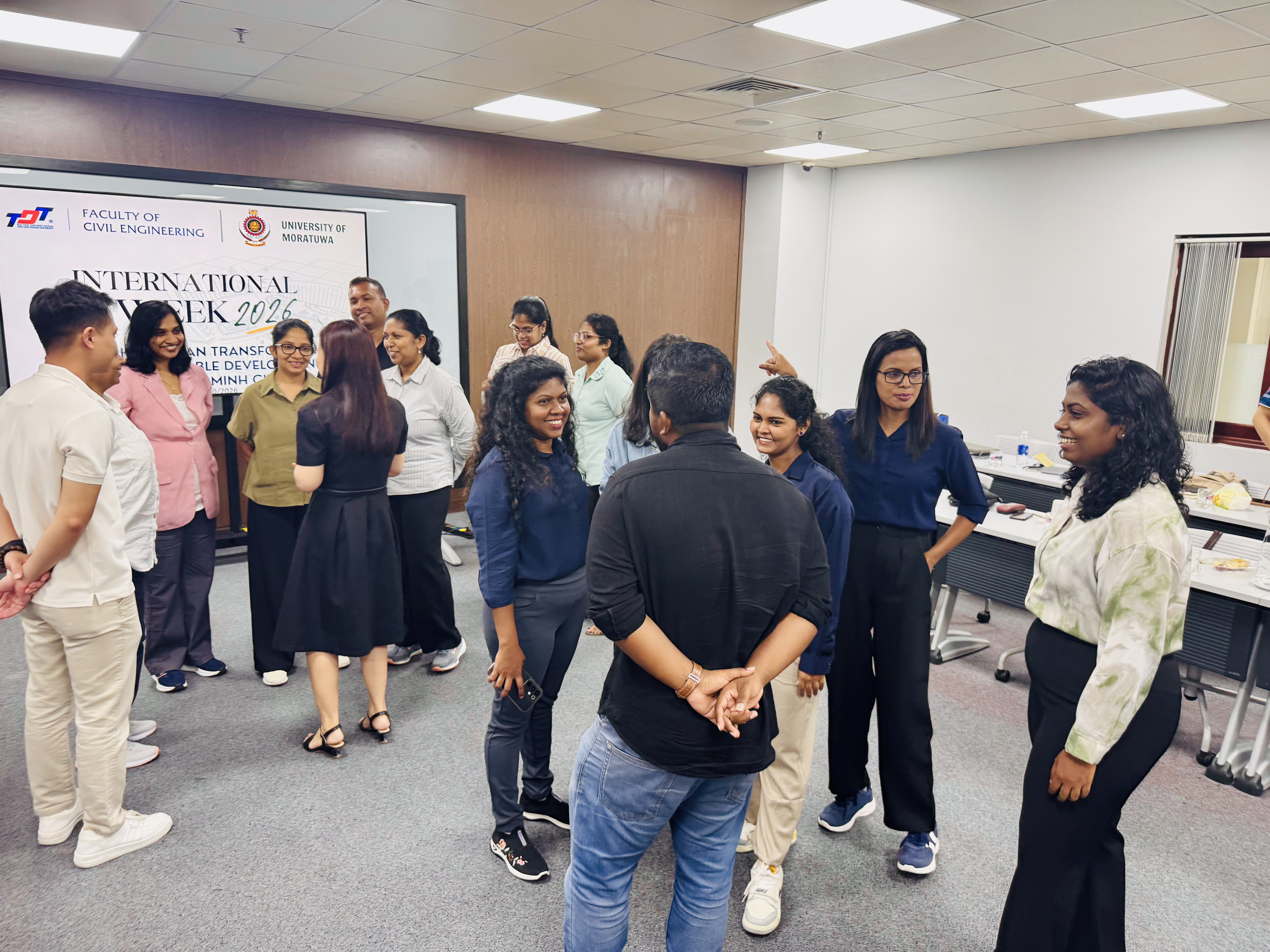
TON DUC THANG UNIVERSITY WELCOMES DELEGATION FROM THE UNIVERSITY OF MORATUWA, SRI LANKA, AND HOSTS INTERNATIONAL WEEK ON URBAN TRANSFORMATION AND SUSTAINABLE DEVELOPMENT, OCTOBER 20–25, 2026


As part of its ongoing efforts to strengthen international cooperation and promote academic exchange, the Faculty of Civil Engineering of Ton Duc Thang University (TDTU) welcomed a delegation of lecturers and postgraduate students from the University of Moratuwa (UM), Sri Lanka, from October 20 to 25, 2026. The visit was accompanied by an International Week themed “Exploring Urban Transformation and Sustainable Development in Ho Chi Minh City.”
The programme provided an opportunity for faculty members and students from both universities to strengthen academic connections, exchange professional knowledge, and share experiences in architecture and urban planning. It also aimed to explore opportunities for future collaboration in education, scientific research, and international academic exchange.
Strengthening International Cooperation and Academic Engagement
The programme commenced on October 20, 2026, with an official reception and working meeting between representatives of the Faculty of Civil Engineering at TDTU and the delegation from the University of Moratuwa. The meeting took place in the conference room on the fifth floor of the TDTU Library.
Representatives of both universities introduced their respective educational programmes, research activities, and institutional development orientations. Discussions also focused on potential areas of collaboration, particularly student and faculty exchanges and the implementation of joint research activities.

Exploring Urban Development Practices in Ho Chi Minh City and Surrounding Areas
A key component of International Week was a series of field visits and practical research activities in urban areas, scheduled from October 20 to 24, 2026.
On October 20, lecturers and students from both universities participated in a field trip to the T&T urban development project in Tay Ninh Province. Through on-site observation, professional discussions, and exploration of the urban environment, participants had the opportunity to examine issues related to spatial organisation, urban development, and approaches to sustainable urban development..
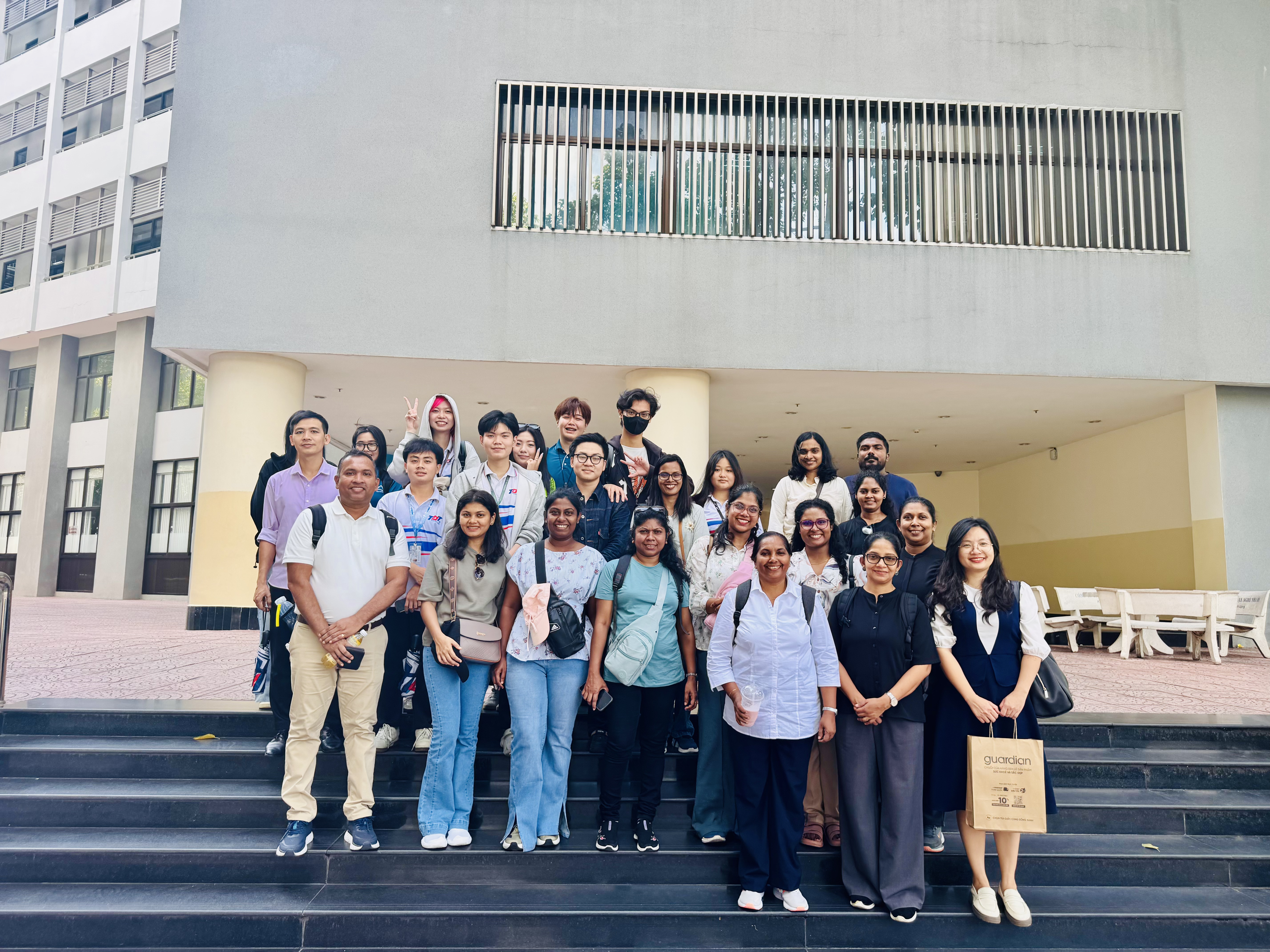
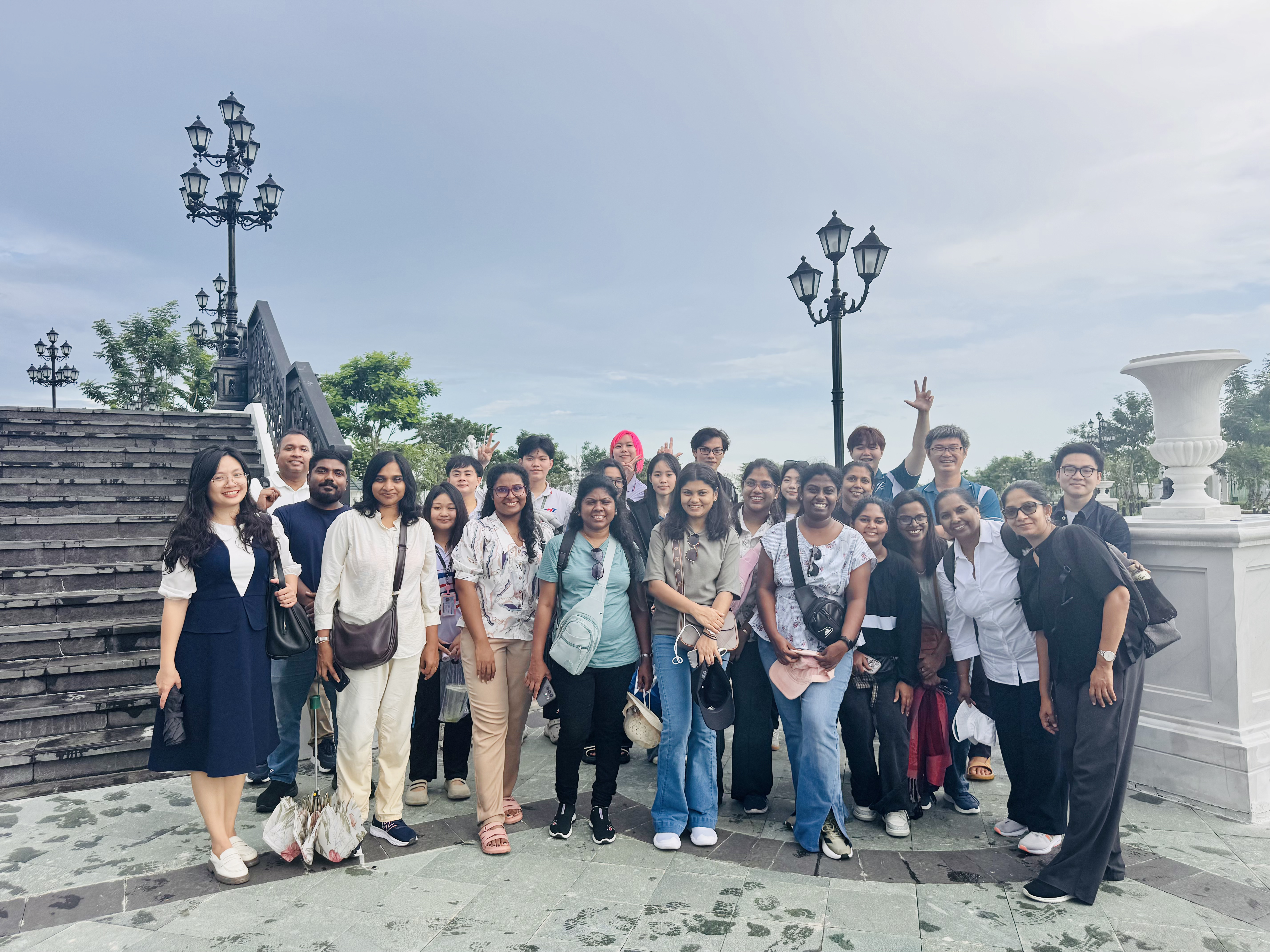
From October 22 to 24, the delegation continued its field research and professional visits in the inner-city areas of Ho Chi Minh City. These activities were conducted under the guidance of faculty members from both universities, with English serving as the language of communication and instruction, thereby providing an international learning environment closely connected to real-world urban contexts.
Through these activities, students were able to apply their academic knowledge to the observation and analysis of existing urban conditions while developing field survey skills, critical thinking, and the ability to work in multicultural environments.
Academic Seminar: Exploring Urban Planning from Multiple Perspectives
On October 21, 2026, an academic seminar was held in Room A101 at TDTU, bringing together faculty members and students from the Faculty of Civil Engineering and the delegation from the University of Moratuwa. The seminar featured two main presentations.
• Topic 1: An Introduction to the Context of Urban Planning in Vietnam
Presented by Dr. Le To Quyen from the Faculty of Civil Engineering, TDTU, this presentation provided an overview of the urban planning context in Vietnam. It helped international participants gain a better understanding of the country's urban planning characteristics and the challenges arising from ongoing urban development.
• Topic 2: Shifts in Urban Models and Their Applications in Sri Lanka
This presentation was delivered by Dr. Rohana Rathnayake and Dr. Priyanwadha Singhapathirana, representing the University of Moratuwa. The session offered perspectives on changes in urban development models and their applications in the Sri Lankan context, providing an opportunity to compare approaches to urban development across different national settings.
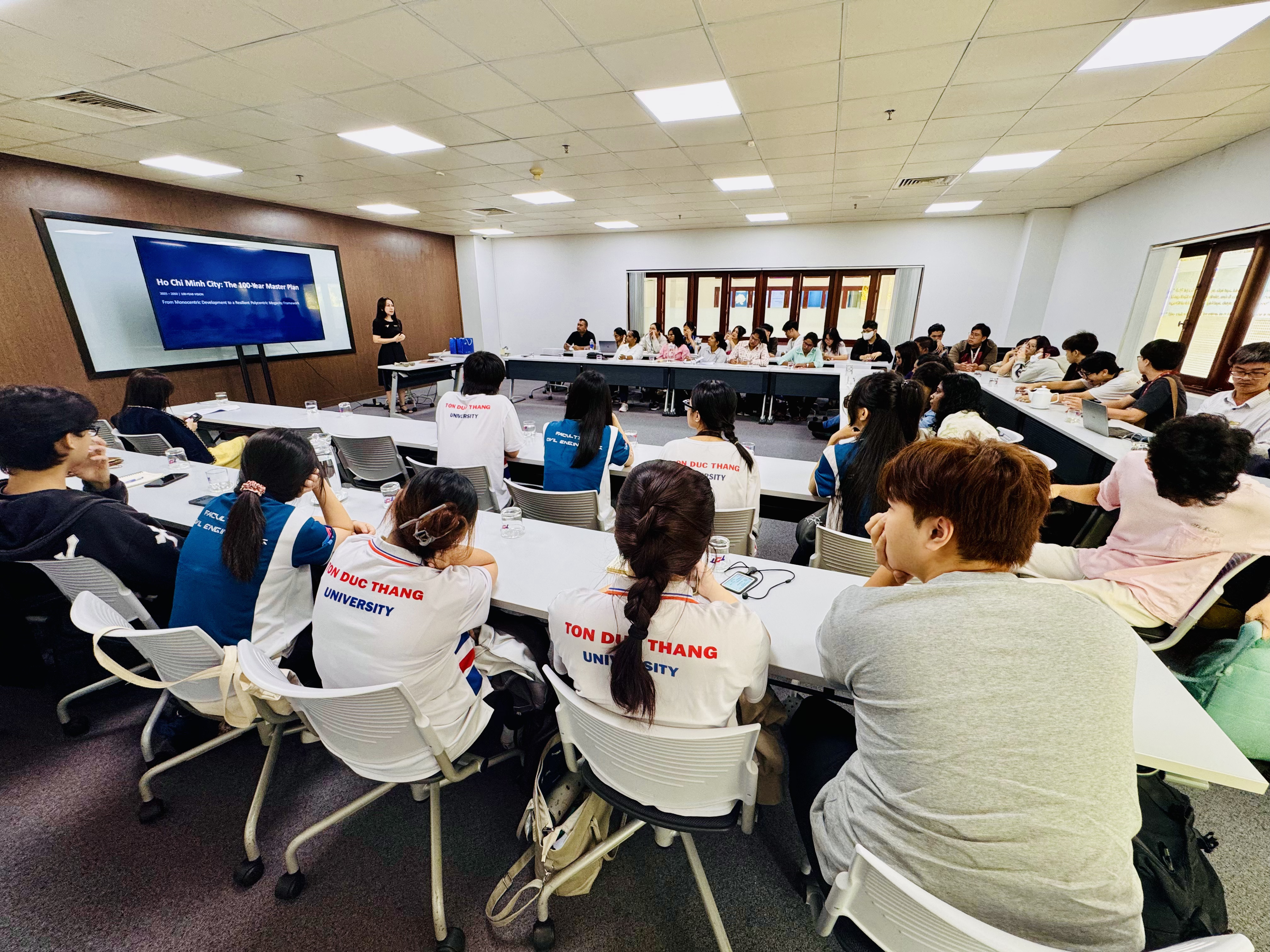
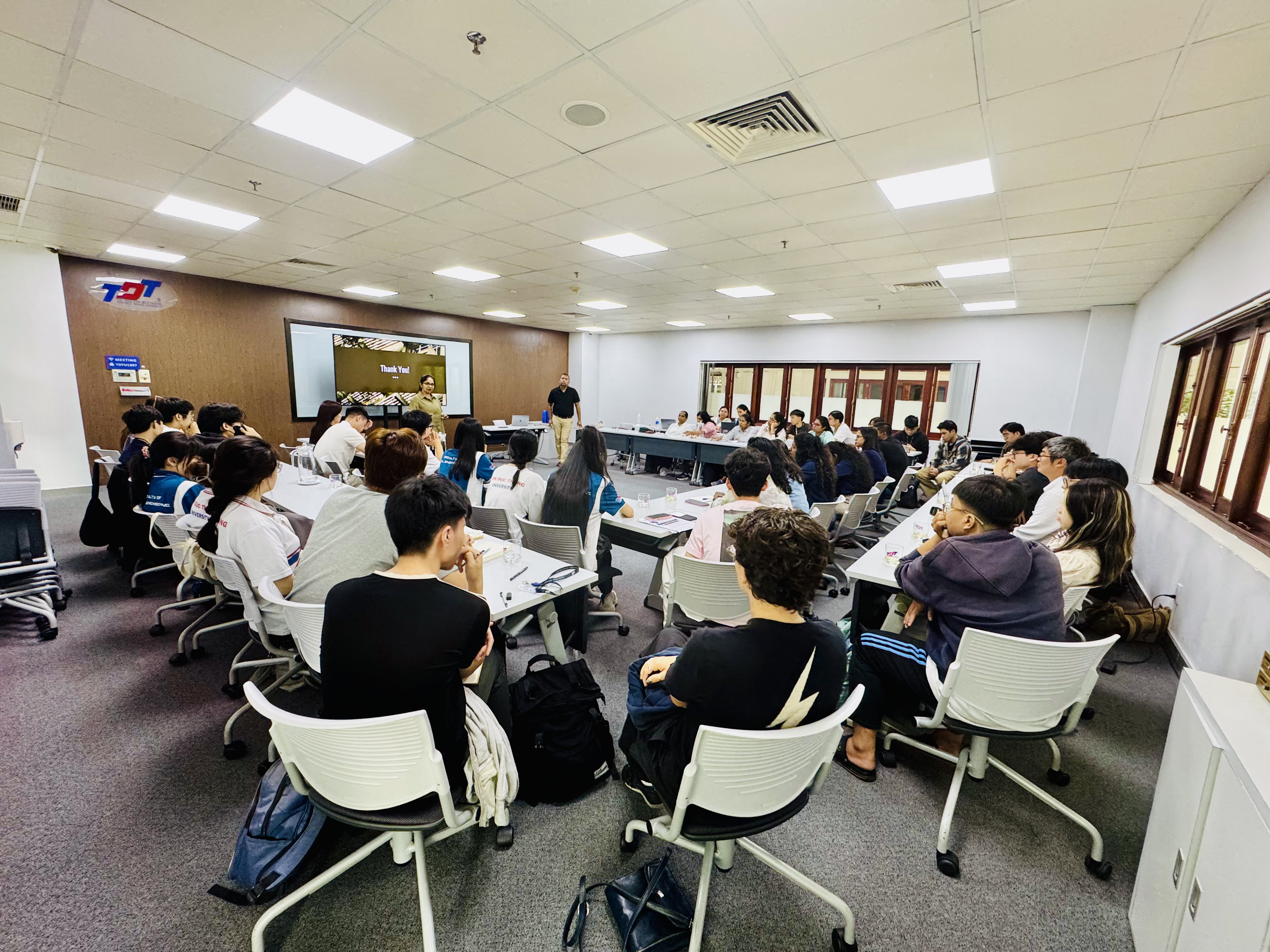
The question-and-answer session encouraged faculty members and students from both universities to exchange perspectives, share professional experiences, and discuss the application of research methods to practical urban planning challenges. The seminar thus contributed to knowledge exchange and broadened participants' professional perspectives on urbanisation and the growing importance of sustainable development.

Student Exchange and the Development of Research Skills and Global Competence
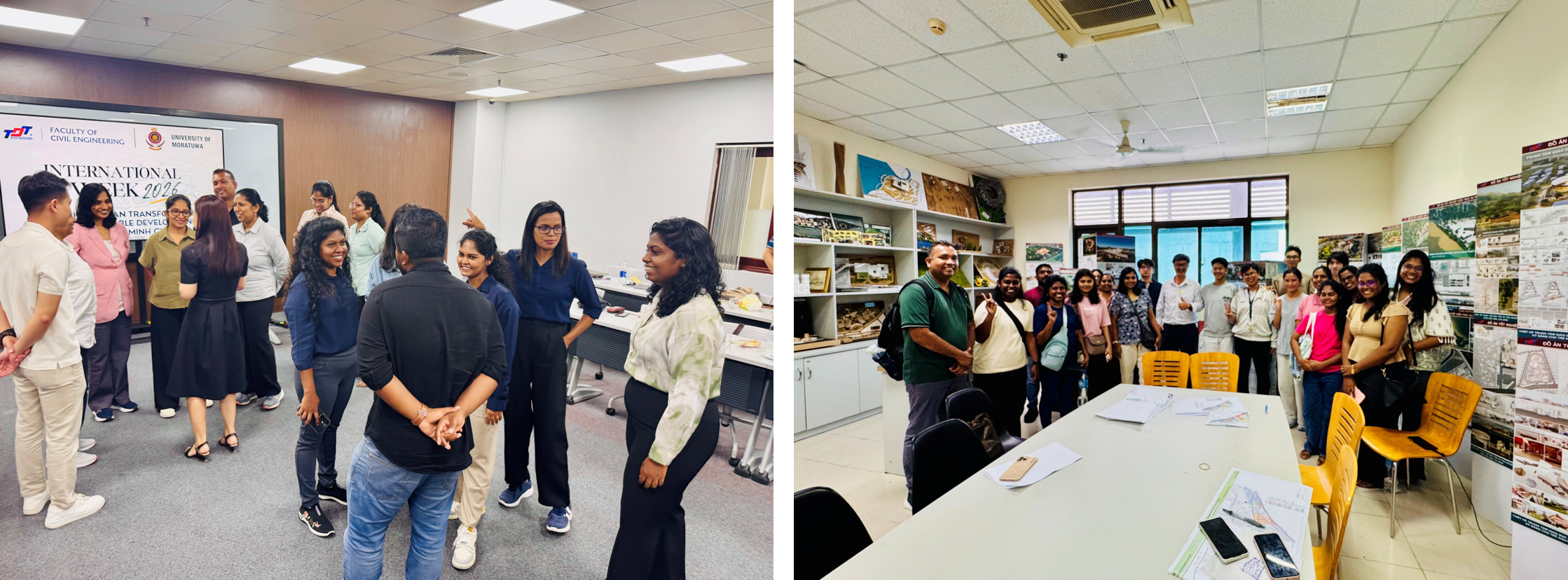
Concluding International Week on October 25, 2026, a student exchange and academic discussion session was held in Room D605 at TDTU, bringing together students from TDTU and the University of Moratuwa.
With a focus on existing-condition surveys and issues related to the theme “Exploring Urban Transformation and Sustainable Development in Ho Chi Minh City,” the session provided a platform for students to share field observations, exchange methodological approaches, and discuss practical challenges in urban research.
The activity also offered students an opportunity to improve their English communication skills, strengthen teamwork and academic discussion capabilities, and develop their ability to adapt to international learning environments. Through direct interaction with international faculty members and fellow students, participants were able to broaden their academic networks, engage with diverse perspectives, and enhance their interdisciplinary learning competencies.
Advancing International Education and Sustainable Development
The International Week themed “Exploring Urban Transformation and Sustainable Development in Ho Chi Minh City” reflects the Faculty of Civil Engineering's commitment to strengthening partnerships with international higher education institutions, integrating practical research into academic training, and creating opportunities for students' holistic development.
Through a series of activities encompassing institutional engagement, academic seminars, field research, and student exchange, the programme contributed to knowledge sharing, professional development, and greater intercultural understanding. It also established a foundation for the two universities to explore further collaboration in education, scientific research, and academic exchange.
- Log in to post comments